
Project
Clinical Audit and Risk Stratification in Toxic Epidermal Necrolysis (TEN)
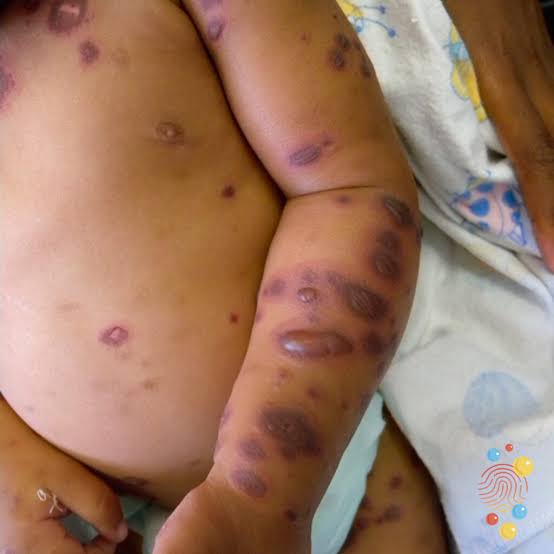
This project was a clinical audit conducted at Kenyatta National Hospital (KNH) to evaluate the presentation, risk profiles, management, and outcomes of patients diagnosed with Toxic Epidermal Necrolysis (TEN) in March 2025. TEN is a rare but critical dermatological emergency, commonly drug-induced, with high rates of morbidity and mortality. Using REDCap for structured data capture and R Studio for data cleaning, visualization, and statistical analysis, this project assessed 19 confirmed TEN cases to uncover actionable insights for clinical improvement, focusing on severity scoring (SCORTEN), drug causality, complications, and outcome prediction. Objectives: Describe demographic and clinical patterns in TEN patients Identify commonly implicated drugs Evaluate outcomes based on SCORTEN scores and comorbidities Investigate complications and interventions used Propose data-driven recommendations for clinical protocol enhancement Methods & Tools: Study Design: Retrospective clinical audit Data Source: REDCap-based collection of 19 de-identified patient records Tools Used: R (tidyverse, janitor, ggplot2) for cleaning, visualization, and analysis REDCap for structured clinical data entry Variables Analyzed: Age, sex, BSA involvement, drug exposure, comorbidities (e.g., HIV, DM), SCORTEN score, interventions, and outcome Key Findings: 📌 Demographics & Presentation Median age: 29 years (range: 1–44); TEN affects even young adults Gender distribution: Balanced; no strong sex-based predisposition Classical TEN features: Widespread erythema, blistering, mucosal involvement 📌 Causative Drugs Most implicated: Antibiotics (sulfonamides, penicillins) and anticonvulsants (phenytoin, carbamazepine) Minor cases involved NSAIDs and antivirals 📌 SCORTEN & Risk Stratification Higher SCORTEN scores (>3) were strongly associated with mortality HIV-positive patients had notably worse outcomes SCORTEN confirmed as a valuable predictive tool for triage and ICU referral 📌 Complications Most common: Infections (due to skin barrier loss), ocular damage, GI bleeding Visual complications pose long-term risks Complication rates correlated with higher SCORTEN and late presentation 📌 Management Practices Standard supportive care included IV fluids, analgesia, wound care IVIG and systemic corticosteroids used variably; early administration linked to better outcomes Highlighted need for standardized TEN protocols 📌 Outcomes Most patients survived; fatalities were tied to SCORTEN >3, HIV, and BSA >30% Older non-survivors noted, but age alone wasn’t a dominant predictor Mortality partly preventable with earlier escalation to ICU and aggressive care Recommendations: Systematic SCORTEN scoring at admission for all suspected TEN cases Strengthen drug allergy documentation and risk screening Standardize TEN care protocols including early use of IVIG/steroids Enhance access to multidisciplinary teams (dermatology, ophthalmology, ICU, ID specialists) Institutionalize regular mortality audits using tools like REDCap + R Impact: This audit demonstrated the value of structured clinical data collection and statistical analysis in improving care for rare, high-risk conditions. It showcases your ability to: Design and execute a hospital-based clinical audit Integrate REDCap and R for meaningful clinical insights Interpret risk models (SCORTEN), visualize outcomes, and recommend systemic improvements
Resources