
Project
Diabetes KAP Analysis Among University Students: A Public Health Study Using SPSS and Survey Analytics
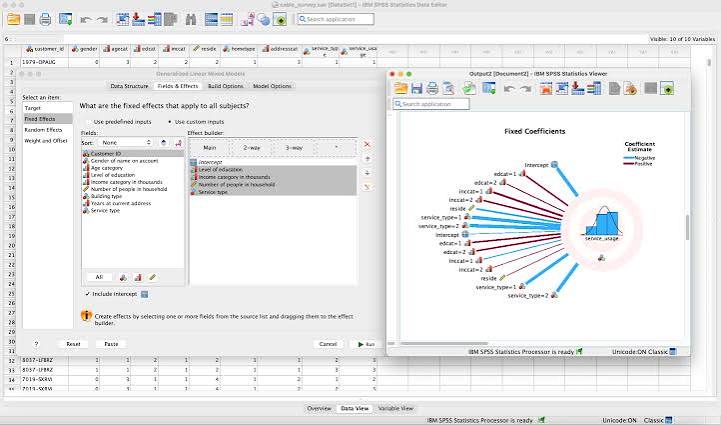
This project is a data-driven investigation into the Knowledge, Attitudes, and Practices (KAP) related to diabetes among university students at Jomo Kenyatta University of Agriculture and Technology (JKUAT). The study was motivated by the rising burden of diabetes among youth, where awareness and preventive behaviors remain understudied. It involved designing and analyzing a structured KAP survey, applying statistical tests to uncover demographic trends, and drawing insights to inform future health interventions. Objectives: Assess knowledge of diabetes symptoms, risk factors, complications, and management. Evaluate student attitudes toward diabetes prevention and seriousness. Examine behavioral practices (e.g., diet, exercise, screening). Identify demographic influences on KAP outcomes (age, gender, education, family history). Methodology: Study Design: Descriptive cross-sectional Sample Size: 384 students (final valid responses: 354) Data Collection Tool: Structured Google Forms questionnaire Sampling Method: Simple random sampling Analysis Tool: SPSS (Descriptive statistics, Chi-square tests, Binary Logistic Regression) Variables: Dependent: KAP scores (converted to binary/continuous as appropriate) Independent: Age group, gender, family history, lifestyle factors Data Preparation and Scoring: Knowledge items coded as binary (1 = correct, 0 = incorrect/don’t know) Attitude and Practice responses converted to Likert-scale numerical values Composite scores were created: Knowledge_Score (Sum of 24 items) Attitude_Score, Practice_Score (Means of 5-item scales each) Binarization thresholds defined for regression modeling Key Results: Descriptive Analysis: 37% had good diabetes knowledge 28.3% lacked knowledge; 34.7% gave incorrect responses Practices showed variability: 44% reported "very frequent" positive behavior, while 22.4% had minimal engagement Chi-Square Tests: No significant relationships found between KAP categories and demographic factors (all p > 0.05) Logistic Regression: Dependent Variable: Good_Knowledge (0 = Poor, 1 = Good) Predictors: Gender, Age, Family History, Education Level Model Accuracy = 76.3% but driven entirely by class imbalance None of the predictors were statistically significant (p > 0.2), R² = 0.01 Interpretation: Knowledge is consistently high and not significantly influenced by demographic background Conclusions: High awareness levels suggest successful public health messaging, but over 60% still lack correct or complete knowledge, warranting further intervention Attitudes are generally positive, but some variability exists, indicating a need for targeted reinforcement Practices were inconsistent; many students were unsure or not engaged in preventive actions Demographics did not significantly influence knowledge, indicating equitable awareness across groups Recommendations: Enhance awareness programs with actionable behavioral resources Increase engagement with healthcare professionals on campus Promote screening and family history awareness Use multi-channel communication (digital platforms, peer education, university media) to reach diverse student segments This project exemplifies the use of quantitative research methods and SPSS statistical analysis to generate meaningful insights from survey data. It demonstrates skills in research design, variable coding, statistical modeling, and public health reporting, contributing to evidence-based decision-making in student wellness initiatives.
Resources