
Project
Diabetes Knowledge, Attitudes, and Practices (KAP) Study: Statistical Analysis Using SPSS Among University Students
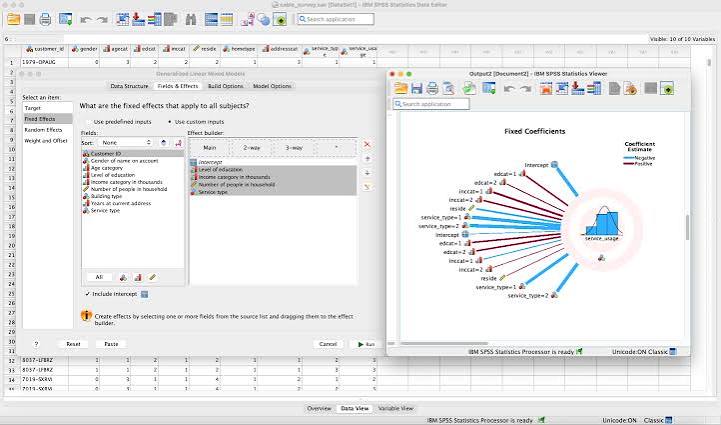
This project involved a comprehensive analysis of Knowledge, Attitudes, and Practices (KAP) related to diabetes among students at Jomo Kenyatta University of Agriculture and Technology (JKUAT). The study aimed to assess students' awareness of diabetes, attitudes toward its seriousness and preventability, and lifestyle behaviors that influence diabetes risk. Using data collected through a structured Google Forms questionnaire (n = 384), the project applied statistical techniques using SPSS to evaluate both descriptive trends and inferential relationships across demographic subgroups. The analysis applied a structured analytics pipeline aligned with best practices in public health research and statistical modeling. Objectives: Measure students’ knowledge on diabetes symptoms, risk factors, and management Evaluate student attitudes toward diabetes prevention and screening Analyze lifestyle behaviors including diet, physical activity, and smoking Investigate whether demographic factors (age, gender, education, family history) influence diabetes-related KAP Tools and Methodologies: Tool Used: SPSS Study Design: Descriptive cross-sectional Data Source: Self-reported survey using Google Forms Analysis Techniques: Descriptive statistics, bar plots, chi-square tests, binary logistic regression Key Steps: Data Cleaning & Scoring: Recoded responses for binary and Likert-scale items Created composite scores: Knowledge Score: Sum of 24 binary-coded items Attitude and Practice Scores: Mean of Likert-scale responses Binarized outcomes (e.g., Good vs Poor Knowledge) for regression analysis Descriptive Analysis: Explored distributions of demographic variables Visualized knowledge and attitude scores across gender, age, and education groups Found generally high knowledge levels across the student population Chi-Square Analysis: Tested associations between KAP outcomes and demographic factors No statistically significant associations found (e.g., p = 0.308 for gender vs knowledge) Logistic Regression Modeling: Modeled predictors of "Good Knowledge" using demographics Model accuracy = 76.3%, but this was due to class imbalance (dominance of high-knowledge responses) Nagelkerke R² = 0.010: Very weak explanatory power None of the predictors were statistically significant (p > 0.2 for all) Findings and Interpretation: The majority of students (76.3%) had “Good Knowledge” about diabetes Demographic factors (age, gender, education, family history) were not predictive Despite model accuracy, the logistic regression merely reflected dominant class labels Results suggest strong, equitable diabetes awareness among students regardless of background Key Insights: Logistic regression flagged the model's statistical insignificance, yet still offered a valuable insight: that diabetes knowledge is high and uniformly distributed in the population studied Highlights the importance of not relying solely on accuracy as a performance metric when classes are imbalanced This project demonstrates strong skills in health data cleaning, statistical testing, regression modeling, and critical interpretation. It also reflects the ability to distinguish between statistical significance and practical implications, an essential aspect of real-world data analysis in healthcare and education settings.
Resources